A yellow flag rises against the backdrop of war-torn Syria, its star emblem catching the morning light. Kurdish fighters of the YPG (Yekîneyên Parastina Gel) stand proud, their banner becoming a beacon of hope amid the chaos of conflict. This powerful scene has played out countless times across Syria’s Rojava region since 2011.
The People’s Protection Units (YPG) and Women’s Protection Units (YPJ) have emerged as pivotal forces in northern Syria’s complex landscape. Their distinctive flags serve as more than military standards – they embody a revolutionary vision of grassroots democracy, Kurdish self-determination, and gender equality.
These emblems have captured global attention through their prominent role in the fight against ISIS and the establishment of autonomous Kurdish regions. The red, yellow, and green colors paired with distinctive star motifs tell a story of resistance, transformation, and hope in one of the world’s most contested regions.
This article examines the design, symbolism, and global recognition of the YPG and YPJ flags. Their evolution from local military insignia to internationally recognized symbols reflects broader struggles for autonomy, equality, and democratic values in the modern Middle East.
Historical Context of Kurdish Militias in Syria
The Birth of Kurdish Militias
Kurdish militias in Syria emerged during the chaos of 2011, when the Syrian Civil War created a power vacuum in the northern regions of the country. As government forces pulled back from areas with a large Kurdish population, local communities faced growing security threats. In response, the People’s Protection Units (YPG) were formed as a grassroots defense force, drawing on the region’s tradition of community self-organization.
A Unique Organizational Approach
The structure of the YPG reflected Kurdish democratic principles, with local units reporting to civilian councils instead of a centralized military command. This distinctive organizational approach proved effective in defending Kurdish territories while maintaining strong connections to local communities.

Empowering Women through the Women’s Protection Units
2012 saw a significant development with the establishment of the Women’s Protection Units (YPJ). This all-female militia was inspired by Abdullah Öcalan’s writings on women’s liberation and Kurdish autonomy. The YPJ challenged traditional gender roles in the Middle East by having women take up arms and assume leadership positions alongside their male counterparts.
The Fight Against ISIS and International Recognition
The rise of ISIS in 2014 turned these Kurdish defense forces into crucial allies in the international coalition against terrorism. The YPG and YPJ joined forces with Arab and Assyrian militias to create the Syrian Democratic Forces (SDF), leading major operations against ISIS strongholds. Their victories in battles such as Kobani garnered international recognition and military support.
Establishing Rojava: A Self-Governing Region
The military successes of these Kurdish forces paved the way for the establishment of the Autonomous Administration of North and East Syria, commonly known as Rojava. This self-governing region implemented:
- Direct democratic councils at neighborhood levels
- Women’s equal participation in governance
- Protection of minority rights
- Ecological sustainability initiatives
- Cooperative economic systems
Shaping Kurdish Identity through Democratic Confederalism
These developments transformed Kurdish identity in Syria, moving beyond traditional nationalist aspirations towards a model of democratic confederalism. The YPG and YPJ evolved into not just military units but also guardians of a social revolution that prioritized gender equality, ecological awareness, and grassroots democracy.
The Design Elements and Symbolism Behind the YPG and YPJ Flags
The YPG and YPJ flags showcase rich symbolism through their distinctive color schemes and emblematic elements, each carrying deep cultural and political significance within Kurdish heritage.
These flags are part of a broader tradition of rebel flags, which have historically symbolized defiance, resistance, and revolution across centuries of uprisings. The YPG and YPJ flags are no exception.
The Colors of the Flags
The flags incorporate three primary colors:
- Red: Symbolizes the blood of martyrs and revolutionary struggle
- Yellow: Represents the sun, hope, and enlightenment
- Green: Signifies the natural beauty of Kurdistan and life itself
The Emblems on the Flags
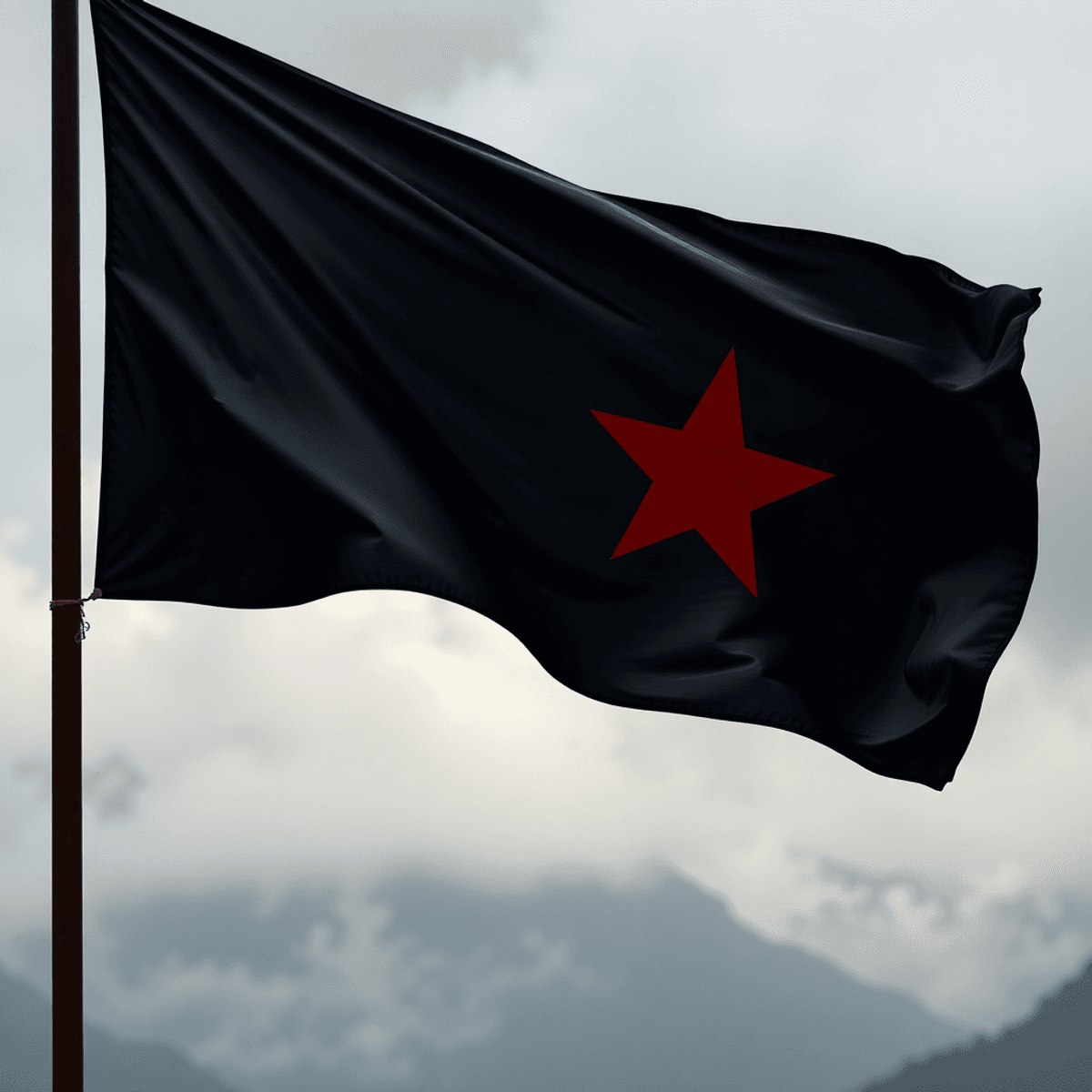
At the center of the YPG flag stands a five-pointed red star, an emblem of unity among the Kurdish people across different regions. The star sits within a circular design featuring 17 rays—a number holding special significance in Kurdish mythology and representing the sun’s illuminating power.
The YPJ flag maintains similar core elements while introducing unique feminine symbolism. Its distinctive purple star represents women’s liberation and the jineological principles central to the Kurdish movement. The flag’s design incorporates the Ala Rengîn (Rainbow Flag) concept, symbolizing diversity and inclusivity within the Kurdish resistance.
Key Differences Between the Flags
Key design differences between the flags reflect their distinct roles:
YPG Flag
- Bold geometric patterns
- Military-inspired imagery
- Emphasis on defense and protection
YPJ Flag
- Softer color gradients
- Incorporation of feminine symbols
- Focus on liberation and equality
Communicating Ideology Through Design
These visual elements communicate the democratic confederalist ideology through:
- Circular patterns representing grassroots organization
- Equal spacing of elements symbolizing collective decision-making
- Balanced composition reflecting social ecology principles
The flags’ designs transcend mere military identification, embodying the political philosophy of democratic autonomy. Their careful arrangement of symbols creates a visual language that speaks to both Kurdish cultural heritage and revolutionary aspirations for social transformation.
In a broader context, similar to how [pirate flags](https://lostflags.com/pirate-flags-and-what-they-really-meant) were used historically to convey messages of terror and power, these rebel flags serve as powerful symbols in their own right.
Global Recognition and Controversies Surrounding the YPG Flag
The Rise of the YPG Flag
The YPG flag gained unprecedented global visibility during the battle of Kobani in 2014-2015, where Kurdish forces successfully defended the city against ISIS. International media coverage showcased Kurdish fighters raising their distinctive flags atop liberated buildings, transforming these symbols into icons of resistance against extremism.
Media Coverage of the YPG Flag
Western media outlets frequently featured the YPG and YPJ flags in their coverage of the Syrian conflict, particularly highlighting:
- The crucial role of Kurdish forces in defeating ISIS
- Female fighters breaking gender barriers in combat
- Democratic values promoted by the Rojava administration

Legal Restrictions on the YPG Flag
Despite this positive media attention, the YPG flag faces significant legal restrictions in several countries. Germany implemented a ban on displaying YPG-related symbols in 2017, citing alleged connections to the Kurdistan Workers’ Party (PKK). The German Interior Ministry’s decision sparked debates about:
- The distinction between terrorist symbols and legitimate resistance movements
- Freedom of expression versus security concerns
- The complex nature of Kurdish political affiliations
Diplomatic Tensions Surrounding Kurdish Autonomy
These controversies reflect broader diplomatic tensions surrounding Kurdish autonomy. Turkey consistently opposes international recognition of YPG symbols, viewing them as extensions of PKK imagery. This stance has influenced NATO allies and created diplomatic pressure on countries supporting Kurdish forces in Syria.
Divided Opinions on Kurdish Militant Groups
The international community remains divided on the legitimacy of Kurdish militant groups and their symbols:
Supporting Nations
- United States – Recognizes YPG as vital allies against ISIS
- France – Maintains diplomatic relations with Kurdish forces
- Russia – Acknowledges Kurdish autonomy within Syria
Opposing Nations
- Turkey – Considers YPG flags as terrorist symbols
- Syria – Challenges Kurdish autonomous governance
- Iran – Views Kurdish militias as potential separatist threats
Varied Reception of the YPG Flag
The flag’s reception varies significantly across different contexts – celebrated in pro-Kurdish demonstrations worldwide while facing strict prohibition in others. This dichotomy reflects the complex geopolitical dynamics surrounding Kurdish self-determination in the Middle East.
The Lasting Impact of The YPG Flag as a Symbol of Modern Resistance Movements
The YPG flag represents the changing symbols of resistance in the 21st century. It has evolved from its military roots to become a powerful symbol of democratic hopes and social progress. The flag can be seen at protests, solidarity rallies, and cultural events around the world, showing its connection with various communities fighting for self-determination.
Influence on Contemporary Social Movements
The YPG flag has had a significant impact on current social movements, especially in its representation of gender equality through the YPJ’s similar symbolism. This distinct feature sets it apart from traditional military or nationalist symbols, indicating a shift towards inclusive resistance symbols that challenge patriarchal norms.
Highlighting Grassroots Democracy and Communal Autonomy
In the context of Middle Eastern history, the YPG flag sheds light on often-overlooked stories of grassroots democracy and communal autonomy. Its visibility has helped bring attention to Kurdish contributions to regional stability and social change, challenging dominant narratives that often overlook minority experiences.
Connection with Global Liberation Movements
The symbolism of the YPG flag resonates with various liberation movements worldwide:
- Indigenous rights movements draw parallels with Kurdish struggles for cultural preservation
- Feminist organizations recognize it as an emblem of women’s military and political leadership
- Environmental activists connect with Rojava’s emphasis on ecological democracy
- Anti-fascist groups identify with its representation of resistance against authoritarian forces
Uniting Diverse Struggles
This symbol’s enduring power lies in its ability to unite diverse struggles under shared principles of democratic confederalism, ecological sustainability, and gender liberation. The YPG flag continues to inspire new generations of activists and shape conversations about autonomy, equality, and collective resistance.
Suggested External Links for Further Reading
Deepen your understanding of the YPG/YPJ flags and Kurdish resistance movements through these valuable resources:
Academic Research & Analysis
- The Rojava Revolution: Kurdish Women’s Liberation Movement – Comprehensive study on women’s role in Kurdish resistance
- Democratic Confederalism in Rojava – Analysis of political philosophy behind YPG/YPJ movements
Historical Documentation
- Kurdish Project Digital Archive – Historical timeline and documentation of Kurdish militia development
- International Crisis Group – Syria Reports – Expert analysis on Syrian conflict and Kurdish autonomy
Media Coverage & Photography
- War Photographers’ Collection: YPG/YPJ in Action – Visual documentation of Kurdish resistance
- The Guardian’s Rojava Coverage – News archives on Kurdish autonomous region
Cultural Resources
- Kurdish Women’s Stories – Personal narratives from YPJ fighters
- Symbols of Revolution: Middle Eastern Resistance Flags – Detailed analysis of resistance movements’ symbols
Note: Due to the evolving nature of the Syrian conflict and Kurdish autonomy movement, we recommend checking publication dates and cross-referencing multiple sources for the most current information.