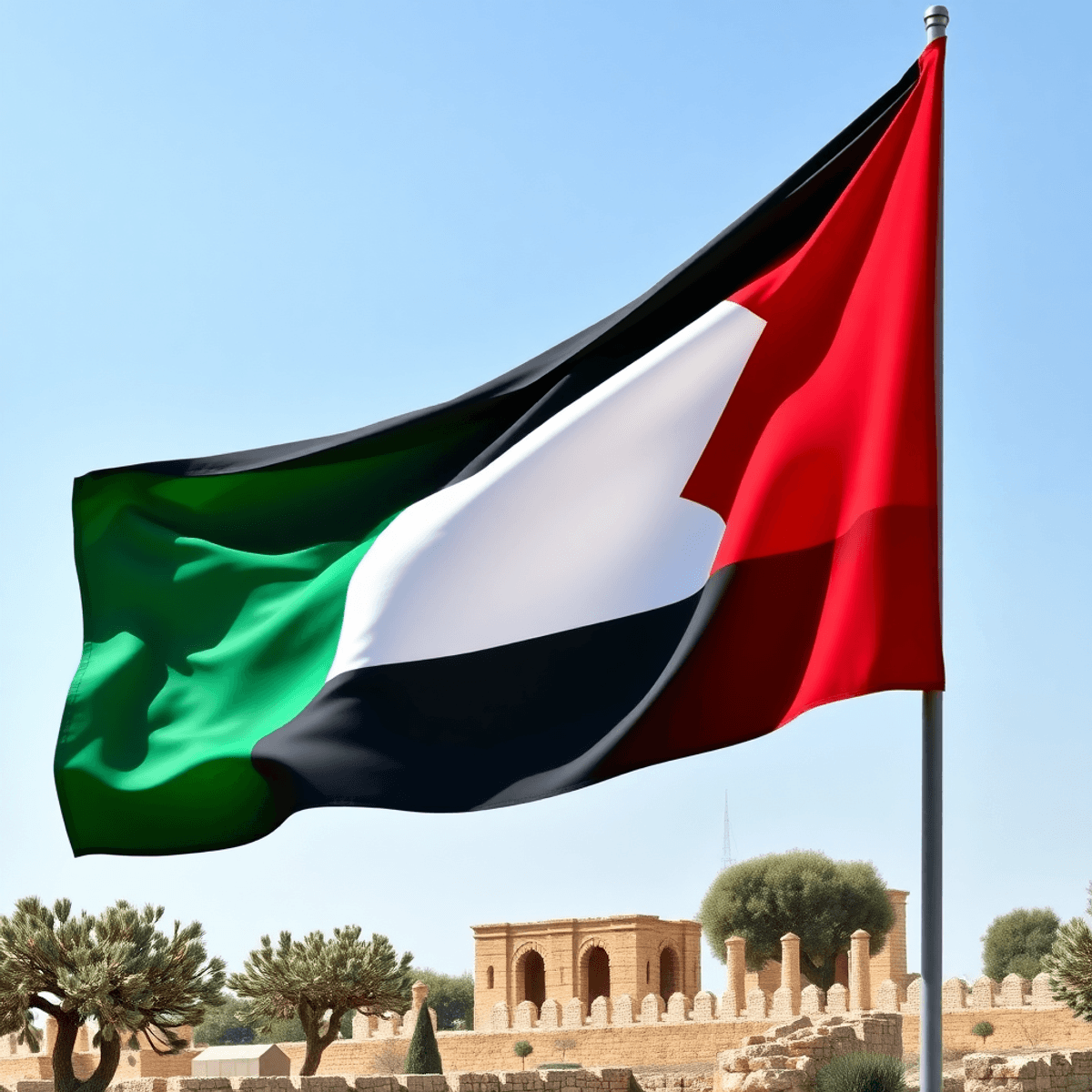
On January 1, 1994, as the sun rose over the mountains of Chiapas, thousands of masked indigenous rebels emerged from the misty forests. Their black flags with red stars waved defiantly against the pale sky, signaling the start of the Zapatista uprising that would capture the world’s attention.
The Zapatista Army of National Liberation (EZLN) emerged from centuries of indigenous struggle in Mexico’s southernmost state. Named after revolutionary hero Emiliano Zapata, this movement brought together Maya descendants and urban activists in a bold fight against economic inequality and political marginalization.
At the center of their resistance are the distinctive Zapatista flags – powerful symbols that combine ancient indigenous wisdom with revolutionary dreams. These banners tell a story of preserving culture, defying politics, and seeking independence. Their eye-catching designs feature traditional Mayan patterns alongside revolutionary symbols, creating visual declarations that express both heritage and optimism.
This exploration delves into the rich symbolism of Zapatista flags, examining their:
- Deep connections to indigenous traditions
- Importance in revolution
- Role in self-governance
- Influence beyond Mexico
Through these emblems, we see how a local indigenous uprising became a worldwide symbol of resistance against oppression.
The Historical Context of the Zapatista Movement
The Zapatista Army of National Liberation (EZLN) emerged from the shadows of Chiapas in 1983, born from centuries of indigenous struggle against systemic oppression. A decade of silent preparation culminated in their dramatic public uprising on January 1, 1994 – the same day Mexico entered the North American Free Trade Agreement (NAFTA).
This timing was no coincidence. NAFTA represented an existential threat to indigenous communities, promising to dissolve communal land holdings and open Mexican markets to subsidized U.S. agricultural imports. President Carlos Salinas de Gortari had already struck a devastating blow by modifying Article 27 of Mexico’s Constitution, ending land redistribution policies that protected indigenous territories.
The EZLN’s composition reflected a unique alliance:
- Indigenous Core: Primarily Maya peoples from Chiapas, including Tzeltal, Tzotzil, and Tojolabal communities
- Urban Intellectuals: Activists and students who brought organizational expertise
- Local Campesinos: Small-scale farmers fighting against economic marginalization
The movement drew inspiration from Mexico’s rich revolutionary heritage, particularly their namesake Emiliano Zapata, who championed agrarian reform during the Mexican Revolution. They also incorporated elements from:
- Liberation theology’s focus on social justice
- Marxist critiques of economic exploitation
- Traditional Maya decision-making practices
- Guerrilla tactics from Latin American revolutionary movements
These influences shaped the EZLN into a distinctive force that challenged not just local inequalities but the entire neoliberal world order.

Symbolism Embedded in Zapatista Flags
The iconic Zapatista flag features a stark black background emblazoned with a bold red star at its center. This striking design carries deep symbolic weight – the black field represents the darkness of oppression and the dignity of resistance, while the red star embodies revolutionary solidarity and the dawn of a new social order.
Mayan Cultural Elements
Beyond this primary emblem, Zapatista flags incorporate rich Mayan cultural elements. Each element on these flags – from the placement of symbols to the choice of colors – represents a deliberate statement about indigenous rights and collective struggle. To fully understand these layered meanings, one could benefit from a guide on how to read a flag, which decodes their colors, shapes, and symbols to reveal rich cultural and historical stories.
Indigenous Symbols and Revolutionary Iconography
These indigenous symbols merge seamlessly with revolutionary iconography, creating visual narratives that speak to both cultural preservation and political transformation. The flags serve as powerful tools of communication, declaring autonomy through a language of resistance that transcends spoken words.
Unifying Banners in Zapatista Communities
In Zapatista communities, these flags act as unifying banners that bridge linguistic and tribal differences. Their presence at gatherings, protests, and community centers reinforces a shared identity among diverse indigenous groups. The flags transform physical spaces into sites of resistance, marking territory where traditional governance systems operate independently from state control.
Historical Context of Rebel Flags
The history of such flags is not unique to the Zapatistas; [rebel flags](https://lostflags.com/rebel-flags-through-history-from-uprisings-to-underground-movements) have been used throughout history as symbols of defiance and revolution across centuries of uprisings. This historical context adds another layer of depth to the understanding of Zapatista flags.
Each element on these flags serves as a reminder of the movement’s dual commitment: preserving ancestral wisdom while fighting for a revolutionary future.
Indigenous Roots Reflected Through Flag Iconography
The Zapatista flags embody Neozapatismo – a unique philosophical blend that weaves ancient Mayan wisdom with modern revolutionary thought. This distinctive ideology combines:
- Traditional Mayan communal governance systems
- Libertarian socialist principles
- Anarchist concepts of mutual aid
- Liberation theology’s focus on empowering the marginalized
- Marxist critique of economic exploitation
The flags’ design elements reflect this rich synthesis through careful integration of indigenous symbolism. Sacred Mayan patterns like the ceiba tree – representing the connection between earth and sky – appear alongside revolutionary icons. The spiral motif, deeply rooted in Mesoamerican art, winds through many Zapatista banners symbolizing continuous cycles of resistance and renewal.
Traditional Mayan colors carry profound meaning in flag designs:
- Red: blood of ancestors and life force
- Black: Mother Earth and fertile soil
- White: corn and sustenance
- Yellow: sun and spiritual energy
These ancestral elements merge seamlessly with revolutionary imagery like raised fists and five-pointed stars. The result creates powerful visual statements that honor indigenous heritage while advancing contemporary political goals. This artistic fusion helps preserve cultural memory even as communities engage in present-day struggles for autonomy.
The flags serve as living documents of indigenous resistance, recording both ancient wisdom and ongoing revolution through their carefully chosen symbols. Each element speaks to the movement’s commitment to protecting traditional ways of life while fighting for a transformed political future.
Subcomandante Marcos and His Iconography on Flags
Subcomandante Marcos became the mysterious spokesperson of the Zapatista movement, creating a strong visual identity that went beyond individual leadership. His unique look – with a black ski mask, pipe, and military fatigues – became iconic symbols seen on EZLN flags and banners throughout Chiapas.
The Symbolism Behind the Mask
The intentional choice of the balaclava mask carries significant symbolic meaning. On Zapatista flags, this masked figure embodies the idea that “behind us, we are you” – a fundamental belief suggesting that Marcos could be anyone fighting for justice. This imagery is featured on various EZLN banners, often accompanied by the movement’s signature red star or indigenous patterns.
The Purpose of Visual Elements on Flags
The visual elements associated with Marcos on flags serve multiple purposes:
- The mask symbolizes collective identity over individual leadership
- Military attire references armed resistance while rejecting traditional military hierarchy
- The pipe suggests an intellectual dimension to the revolutionary struggle
- Written quotes from his communiques frequently appear alongside his image
These flags bearing Marcos’s iconography spread beyond protest marches into autonomous Zapatista communities, where they mark gathering spaces and community centers. His image transformed from a personal identifier into a broader symbol of resistance, with the masked figure representing all marginalized voices seeking recognition and justice.
The strategic use of Marcos’s imagery on EZLN flags reinforces the movement’s commitment to horizontal leadership structures and collective decision-making, while maintaining a powerful visual presence that challenges state authority.
Flags as Symbols of Independence and Governance in Chiapas
The Zapatista autonomous zones, known as caracoles (snails), represent a bold experiment in indigenous self-governance. These five regional centers operate independently from Mexican state control, each flying distinct flags that symbolize their commitment to autonomous rule and community-driven decision making.
Significance of Flags in Caracoles
Within these territories, specialized flags mark important community spaces:
- Schools display educational symbols merged with traditional Mayan motifs
- Council buildings feature flags incorporating the spiral shell design
- Community centers use banners showing interconnected hands and corn stalks
Symbolism Behind the Name and Imagery
The caracoles system draws its name and symbolism from the snail’s spiral shell – a powerful metaphor in Mayan cosmology. This imagery appears on many regional flags, representing:
- Gradual but determined progress
- Inward reflection combined with outward action
- Circular time and cyclical nature of change
Unique Flags for Each Autonomous Zone
Each autonomous zone’s Council of Good Governance (Juntas de Buen Gobierno) maintains its own distinctive flag incorporating elements unique to their region’s identity. These flags blend traditional weaving patterns, local agricultural symbols, and revolutionary imagery to create visual representations of their governance philosophy.
Daily Reminders of Autonomy
The flags flying over caracol territories serve as daily reminders of hard-won autonomy. They mark spaces where indigenous communities practice direct democracy, operate their own schools, and make decisions through consensus – creating living examples of self-determination in action.
Revolutionary Significance Beyond Chiapas
The red star emblazoned on Zapatista flags resonates deeply with leftist revolutionary movements worldwide. This powerful symbol, adopted by various liberation struggles across history, creates an immediate visual connection between the Zapatista cause and global movements for social justice.
The EZLN’s distinctive flag imagery has inspired indigenous resistance movements from Standing Rock to the Amazon. Native communities have adapted elements of Zapatista visual symbolism, including the use of masks and revolutionary stars, while incorporating their own cultural motifs to assert their rights and autonomy.
The impact of Zapatista flags extends into contemporary social movements:
- Anti-globalization protests regularly feature Zapatista-inspired banners at demonstrations against multinational corporations and economic inequality
- Environmental activists incorporate EZLN symbols into their fight against resource extraction on indigenous lands
- Social justice organizations worldwide display solidarity through adaptations of Zapatista imagery
The flags’ influence reaches urban spaces through street art and protest banners, where activists blend Zapatista symbols with local revolutionary aesthetics. This visual language has become a unifying force in grassroots movements fighting against economic exploitation and political marginalization.
Digital activism has amplified these symbols’ reach, with Zapatista-inspired graphics spreading rapidly across social media platforms during periods of social unrest. The flags continue to serve as powerful rallying points for communities demanding autonomy, dignity, and social transformation.
Conclusion
The Zapatista flags are a powerful representation of a movement that combines indigenous heritage with revolutionary goals. They are more than just pieces of fabric; they represent centuries of Mayan knowledge and modern resistance against oppression. The flags’ unique designs, such as the iconic black background with red star and intricate indigenous patterns, convey stories of struggle, independence, and unwavering hope.
Zapatista flags have a lasting impact because they communicate a global message of resistance while still honoring local identity. They teach us that symbols of change can embrace both tradition and progress without having to choose between them.
What can we learn from these extraordinary banners about the significance of cultural symbols in social justice movements? How can marginalized communities around the world find inspiration in the way Zapatista flags merge ancestral wisdom with revolutionary ideals?
These questions extend beyond Chiapas, urging us to acknowledge how symbols of resistance can connect the past and present in the ongoing battle for dignity and self-determination.