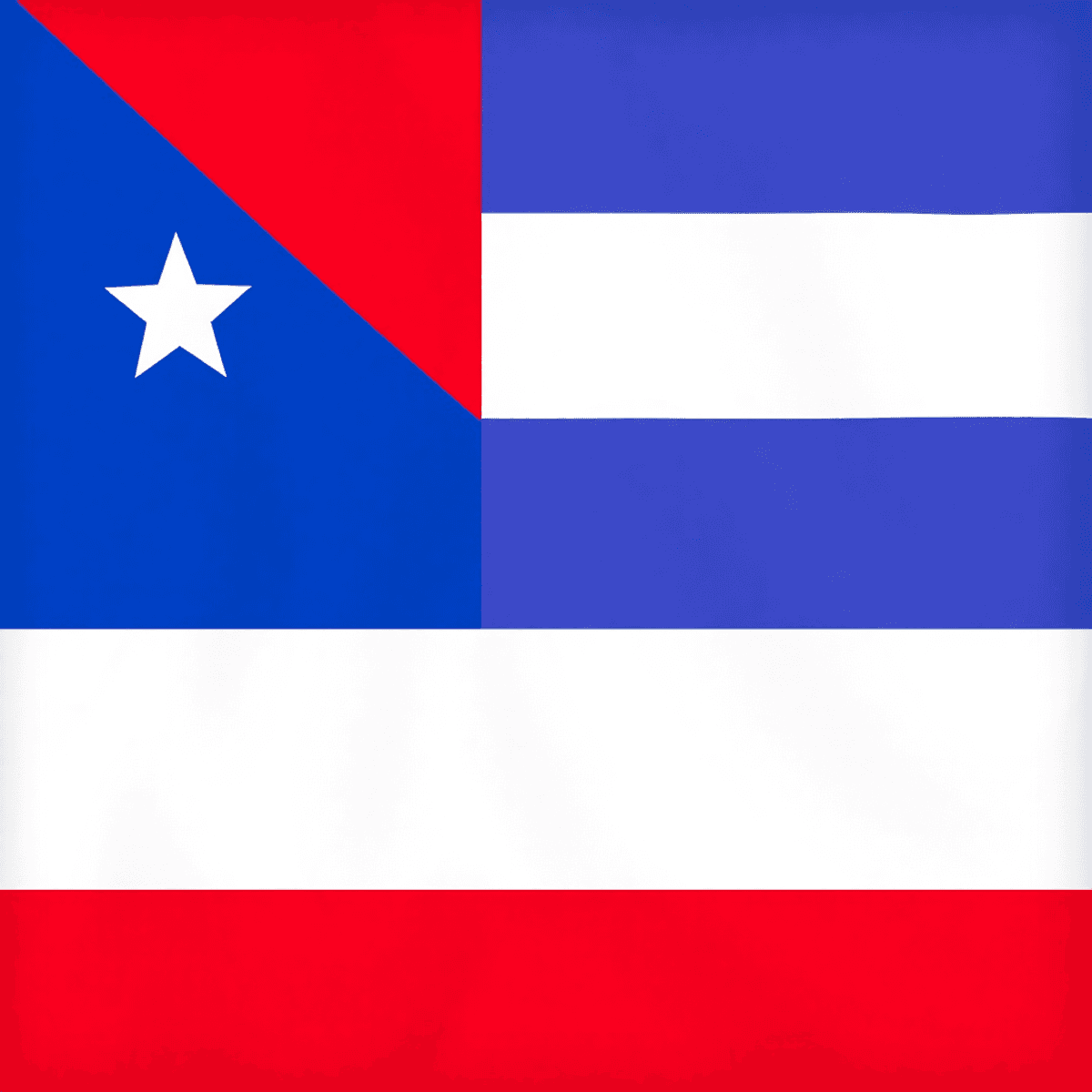
Flag symbols meaning goes far beyond visual design—these emblems carry the weight of history, identity, and lost sovereignty. Flags are more than just cloth; they are condensed stories of entire cultures. From lions and eagles to swords and olive branches, each element tells us something about the values and aspirations of the people it represented—even those from nations that no longer exist.
The art of flag design, known as vexillology, uses symbolic elements to convey messages of power, tradition, and aspiration. These symbols serve as a visual language, transcending time and cultural boundaries to communicate the values and identity of those who carried these banners.
Lost flags from extinct nations, disbanded territories, and forgotten kingdoms reveal fascinating patterns in their symbolic elements. Three categories of symbols dominate these historical designs:
- Animals – representing strength, freedom, and noble qualities
- Weapons – symbolizing protection, military might, and sovereignty
- Plants – reflecting local identity, growth, and natural abundance
These recurring motifs create a symbolic vocabulary that spans centuries and continents. From the majestic eagles of fallen empires to the crossed swords of disbanded military states, each element carries specific cultural significance. Native flora featured on lost territorial flags often highlights the deep connection between people and their homeland.
Studying the flag symbols meaning behind forgotten or obsolete flags gives us a unique glimpse into how civilizations once portrayed themselves. Whether it’s an animal symbolizing courage, a weapon reflecting resistance, or a plant denoting peace or prosperity, these icons served as powerful shorthand for national identity. Though the flags may have vanished from use, the meanings behind their symbols still resonate with historical and cultural significance.

Animals on Flags
Animals are powerful symbols on flags, representing the values, aspirations, and cultural identity of nations and territories throughout history. These majestic creatures serve as visual metaphors for strength, wisdom, and regional characteristics.
The Eagle: Symbol of Power and Freedom
Eagles are prominently featured on many flags, especially in European and American heraldry. The double-headed eagle of the Byzantine Empire symbolized sovereignty over both East and West. The American bald eagle represents:
- Sharp vision and foresight
- Freedom and independence
- Authority and protection
- Divine power and spiritual elevation
This connection between eagles and divine authority can also be seen in theocratic flags, which reflect a union of spiritual power and national identity.
Lions: Royal Majesty and Courage
The lion is one of the most depicted animals on historical flags. Different poses carry distinct meanings:
- Rampant (standing on hind legs) – aggression and readiness
- Passant (walking) – graceful authority
- Couchant (lying down) – peaceful strength
- Sejant (sitting) – dignified wisdom
Bears: Strength and Resilience
Bear symbolism appears on numerous regional flags, particularly in:
- Ancient Germanic territories, where German heraldry often features bears.
- Russian principalities
- Native American nations
- Nordic regions
These regions often have rich histories that could be explored through mythical flags representing imagined realms like Atlantis or Hyperborea.
Other Significant Animal Symbols
Flags feature diverse creatures tied to local significance:
- Dragons – wisdom and supernatural power
- Horses – nobility and freedom
- Wolves – loyalty and pack mentality
- Phoenix – rebirth and immortality
- Serpents – eternal life and wisdom
These animal symbols create lasting impressions of cultural identity, connecting ancient civilizations to their modern descendants through powerful visual metaphors. Furthermore, fictional country flags often explore these themes of identity through imaginative symbolism.
Additionally, some flags are steeped in maritime history, such as pirate flags, which were not just symbols of terror but also represented power across the high seas.
Weapons in Heraldry
Weapons featured on flags serve as powerful symbols of power, sovereignty, and military strength. These martial emblems originated from medieval heraldry, where they represented a nation’s readiness for defense and its military traditions.
The Significance of the Sword
The sword is one of the most common weapons used in flag design. On lost flags like that of the Republic of Formosa (1895), crossed swords symbolized resistance and the determination to defend independence. The Ottoman Empire’s various military flags incorporated the legendary Zulfiqar – the double-bladed sword of Ali – representing divine authority and military might.
Different Weapons, Different Meanings
Different types of weapons carried specific symbolic meanings:
- Spears: Represented readiness for battle and vigilance
- Axes: Symbolized justice and execution of law
- Bows and Arrows: Denoted hunting traditions and precision
- Shields: Emphasized protection and defense of the realm
The Importance of Placement
The position and arrangement of weapons on flags also held significance. Crossed weapons often indicated military alliance or unity, while upward-pointing weapons symbolized readiness for combat. The short-lived Republic of Carpatho-Ukraine (1939) featured crossed axes on its flag, emphasizing its determination to maintain independence.
Historical Narratives Behind Martial Symbols
These martial symbols reflected complex historical stories – from colonial resistance to claims of power by ruling families. Many lost flags used weapons as visual shorthand for strength, suggesting that military power was central to national identity across different cultures and time periods.
Ancient Weapons in Germanic States’ Flags
Ancient weapons were commonly seen on flags of extinct Germanic states. The Duchy of Saxe-Coburg-Saalfeld displayed ceremonial swords on its banner, while the Free State of Waldeck-Pyrmont incorporated a black sword in its heraldry to represent judicial authority.
Plant Symbolism in Flags
Plant symbols on flags serve as powerful representations of cultural identity, regional characteristics, and historical significance. These botanical elements tell stories of agricultural heritage, native species, and deeply-rooted traditions.
Historical Examples
- Maple Leaf: The former flag of Lower Canada (1832-1837) featured a maple leaf, symbolizing the region’s abundant maple trees and emerging maple syrup industry. This symbol later evolved into the iconic Canadian maple leaf we know today.
- Palm Trees: The lost flag of Tripolitania (1947-1951) included palm trees, representing resilience and life in desert regions.
- Cedar Trees: The extinct Kingdom of Araucania and Patagonia (1860-1862) displayed a green cedar on its flag, signifying strength and immortality.
- Olive Branches: Various Mediterranean lost flags incorporated olive branches, symbolizing peace and abundance.
- Cotton Plants: The short-lived Republic of Fredonia (1826-1827) used cotton imagery to represent agricultural wealth.
Ancient Civilizations
Specific plant meanings were also integrated into the banners of ancient civilizations:
- Lotus: Represented rebirth and enlightenment
- Oak Leaves: Signified strength and endurance
- Wheat: Depicted prosperity and agricultural success
- Laurel Wreaths: Symbolized victory and honor
Cultural Variations
The interpretation of plant symbols can differ across cultures. For example:
- The defunct Republic of Vermont (1777-1791) featured pine trees on its flag, representing liberty and independence.
- The lost flag of the Sultanate of Muscat displayed date palms, signifying sustenance and economic importance.
Influence on Modern Flag Design
Regional flora continues to play a significant role in contemporary flag design, ensuring that the legacy of these botanical symbols lives on. The study of plant imagery in lost flags offers valuable insights into historical agricultural practices, cultural values, and regional identity.
To gain a deeper understanding of this subject, you might want to explore the top 20 forgotten country flags and the stories behind them, which showcases some remarkable examples. Additionally, the evolution of flag design provides further insights into symbolism, history, and vexillology principles associated with lost banners.
Exploring Extinct Flags and Banners
The world of historical flags tells us intriguing stories about countries, regions, and groups that no longer exist. These old flags offer glimpses into past societies, political movements, and cultural identities that have influenced our world.
Reasons Behind Flag Extinction
Political Upheaval
One major reason flags become obsolete is due to political turmoil. When empires like the Austro-Hungarian Empire fell apart, their intricate banners with crowned eagles and detailed heraldic designs were retired. Similarly, revolutionary movements often led to the destruction of royal standards as new symbols representing changed ideologies took their place.
Geographic Changes
Changes in geography also play a role in flag disappearance. For instance, the former Republic of Texas flag featuring a golden star against a blue background became irrelevant after Texas was annexed by the United States. Similarly, the Kingdom of Hawaii’s flag with eight stripes representing its major islands fell out of use following U.S. acquisition.
Natural Disasters and Cultural Assimilation
Natural disasters and cultural assimilation have contributed to flag extinction as well. Wars or catastrophes that destroy archives can erase records of many historical banners. Indigenous flags may vanish through colonization processes, taking away unique symbolic representations of plants, animals, and cultural elements.
Notable Examples of Extinct Flags
Several significant extinct flags showcase distinctive symbolism:
- The flag of the Republic of Formosa (1895) – A yellow tiger on black background symbolizing strength
- The Kingdom of Sikkim’s banner (pre-1975) – A red khorlo wheel surrounded by Buddhist symbols
- The Sultanate of Zanzibar flag – Featuring three horizontal stripes with a green field containing crossed spears
Insights Gained from Studying Extinct Flags
Studying extinct flags provides valuable insights into historical power dynamics, cultural evolution, and the temporary nature of political entities. These lost symbols reflect the complex interactions between human ambition, territorial changes, and societal transformation throughout history.
Additionally,
- Exploring trading company flags can shed light on how these banners influenced global history through trade and power over centuries.
- Understanding the flags associated with lost empires offers deeper perspectives into colonial and maritime history characterized by trade and conquest.
Rediscovering Forgotten National Symbols
National symbols are powerful representations of cultural identity. They carry stories of triumph, struggle, and shared values from one generation to another. These symbols become an integral part of society, shaping collective memory and national pride.
Why National Symbols Fade Away
National symbols often fade away due to various reasons:
- Political upheaval and changes in government
- Cultural assimilation and colonization
- Migration and shifts in demographics
- Natural evolution of societal values
- Loss of historical documentation
The Importance of Understanding Lost National Symbols
Understanding lost national symbols provides valuable insights into past civilizations and forgotten chapters of human history. Each rediscovered flag tells a complex story about power, identity, and social transformation.
The study of historical flags and their symbols enhances our appreciation for:
- Cultural diversity – Each symbol reflects unique worldviews and traditions
- Artistic expression – Flag design showcases period-specific aesthetic preferences
- Social evolution – Changes in symbols mirror shifting societal values
- Historical connections – Recurring symbols reveal cross-cultural influences
Preserving Knowledge for Future Generations
Preserving knowledge of these forgotten emblems is crucial for helping future generations understand their heritage. Digital archives, academic research, and public education initiatives play important roles in keeping these symbolic languages alive.
The symbols on lost flags – such as majestic eagles or sturdy shields – still have stories to tell us today. They wait patiently for those who are willing to listen and learn.